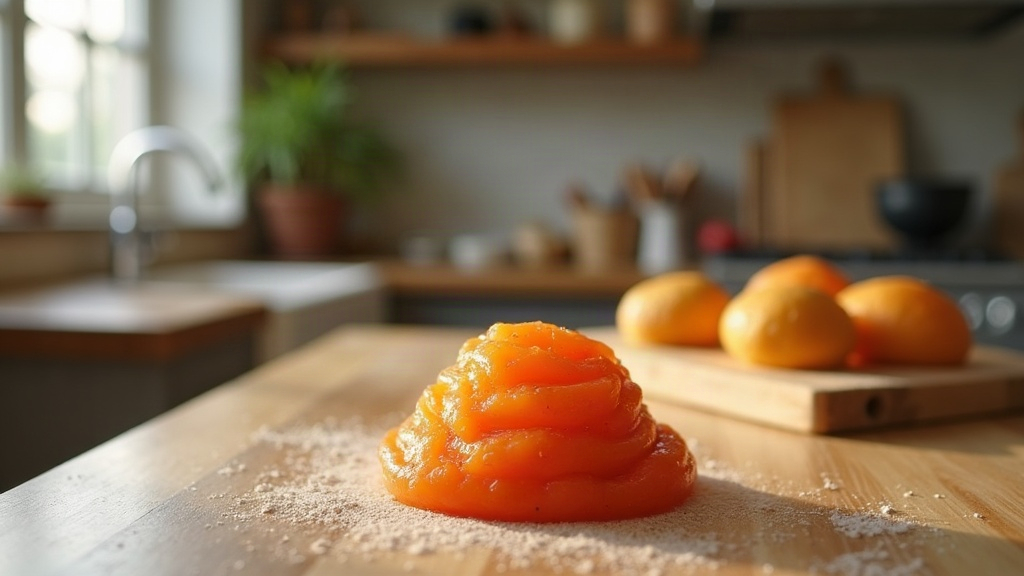
Before you scroll past another quick-fix trend, take a moment to understand why simple kitchen staples like baking soda e gelatina have quietly remained part of traditional routines for generations — and what they can teach us about supporting your body through change.
Maybe it’s the way your jeans fit differently, or the way your skin looks in the bathroom mirror before your morning coffee. Small shifts add up, and understanding them — including where kitchen staples like baking soda e gelatina fit into traditional routines — is the first step.
Your body's natural collagen production slows gradually over time, which can influence skin texture and joint comfort.
The way your body signals fullness can change, making some traditional eating patterns feel less intuitive than before.
Muscle-to-fat ratio naturally shifts, which is a normal part of the body's evolving composition.
Generic diet advice built for a different body, a different decade, or someone else's routine often overlooks these changes.
Kitchen tables and group chats are full of half-truths. Let’s separate what’s commonly repeated from what’s actually understood.
Metabolism completely stops after a certain age.
Metabolic rate shifts gradually and is shaped by muscle mass, hormones, and daily habits — not a switch that flips off overnight.
Cutting calories drastically is the only way to support your body.
Consistent routines, adequate protein, and sustainable habits tend to matter more than extreme restriction.
Kitchen staples like baking soda e gelatina are just old wives’ tales.
These ingredients carry long-standing culinary traditions worth understanding, even though they are not medical treatments.
No extreme overhauls. Just a practical way to notice, understand, and adjust.
Start by paying attention to how your hunger, energy, and skin feel throughout an ordinary day — no tracking apps required.
Learn what gelatin — a source of collagen — and baking soda have traditionally been used for in home kitchens, beyond baking and cleaning.
Small, repeatable habits woven into your existing routine tend to stick longer than dramatic short-term changes.
Picture a Sunday morning kitchen — the smell of broth simmering slowly on the stove while someone’s grandmother stirs a pot that’s been in the family for decades. Long before wellness trends had names, home cooks relied on gelatin from slow-simmered bones and baking soda tucked in the back of the pantry. These weren’t exotic ingredients; they were affordable, versatile staples passed from one generation to the next, used in everything from baking to homemade broths.
Insight: Many traditional kitchens relied on simple, inexpensive ingredients — not because of trends, but because they were resourceful, practical, and part of everyday home life passed down through families.
Feeling hungry again shortly after eating a full meal can be worth noticing over time.
Skin that feels less firm or more prone to dryness may reflect natural shifts in the body.
Mild stiffness after sitting or sleeping is a common signal many women mention.
Clothes fitting differently even without major changes in routine is a common observation.
A noticeable slump in energy mid-afternoon, even with adequate sleep, is worth paying attention to.
Nails that chip easily or grow more slowly than they used to can be another small signal.
Testimonials reflect personal experiences and opinions. Individual results may vary. These statements have not been evaluated by the FDA and are not intended to diagnose, treat, cure, or prevent any disease.
Hydrolyzed gelatin is gelatin that has been broken down into smaller components, often derived from collagen sources, and has a long history of use in traditional cooking.
This page is educational content exploring traditional ingredients and habits. Any links included may be affiliate links, as disclosed below.
Both have long histories in traditional home kitchens. As with any dietary change, it’s worth discussing with a healthcare professional.
No. This content is for educational purposes only and does not replace guidance from a qualified healthcare provider.
Historically, they were affordable, versatile, and multi-purpose, making them staples in resourceful home cooking passed down through generations.
No. Statements on this page have not been evaluated by the FDA and are not intended to diagnose, treat, cure, or prevent any disease.
Everyone’s body and routine are different. We recommend consulting a healthcare professional before making changes to your diet or habits.
Watch the complete video to understand the traditions, the habits, and the reasoning behind this educational series.
Advertising Disclosure: This page contains sponsored content and may include affiliate links. We may receive compensation if you click on or make a purchase through these links, at no additional cost to you.
Content Disclaimer: This content is for educational purposes only and has not been evaluated by the FDA. It is not intended to diagnose, treat, cure, or prevent any disease. Always consult a qualified healthcare professional before making changes to your diet, routine, or lifestyle.
Results Disclaimer: Individual results may vary. Testimonials and personal accounts shared on this page are not a guarantee of any specific outcome.
© 2026 · All Rights Reserved · /contact/